How I Lead:
Principles Forged in Practice
Nine years of building design teams at CommerceIQ. These are the stories that shaped how I lead, and the principles I'd stake my name on.
I started as a head-down IC who believed great work spoke for itself. I ended up building and scaling a design team through a unicorn valuation, two acquisitions, a bad car accident, layoffs, and an AI transformation.
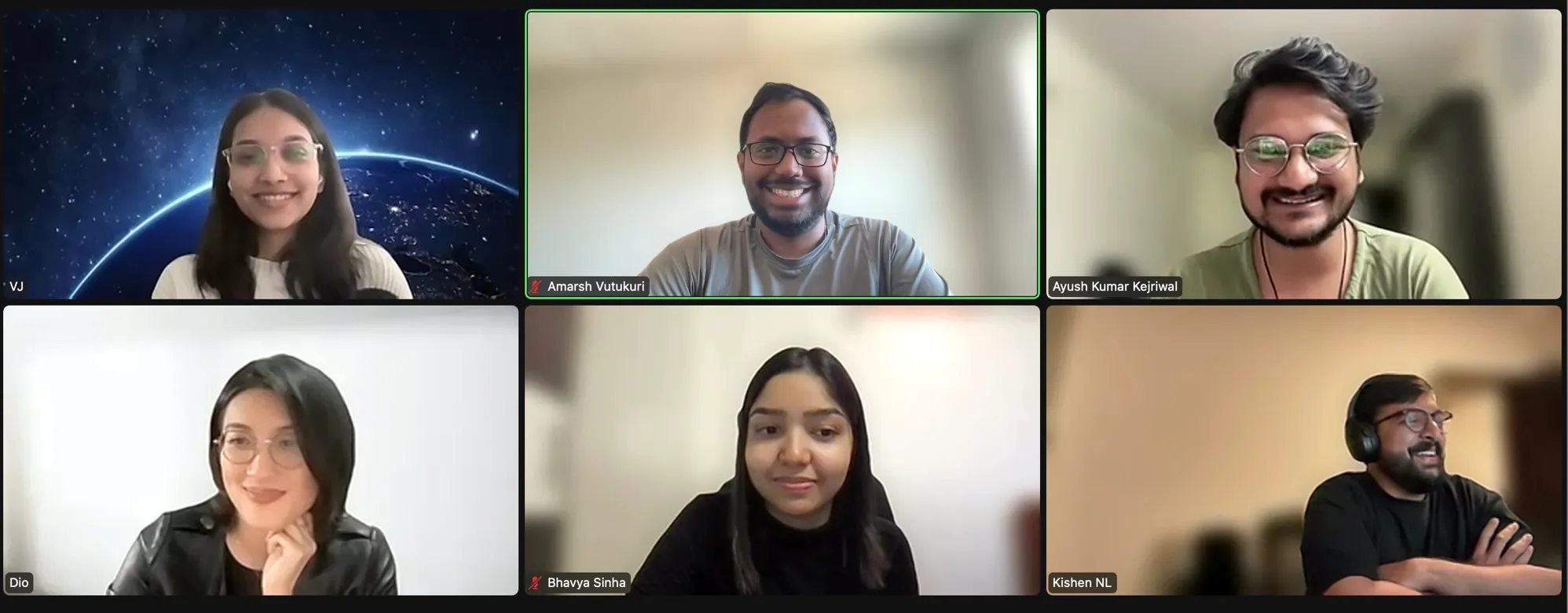
Building from zero
I joined CommerceIQ as the founding designer based out of Bangalore, India. I worked directly with the CEO and Head of Product to test a new idea, a sales management tool for brands operating on Amazon. Within a week, I built a 300-screen prototype that helped close our first deal with one of the largest CPG brands in the world. It looked so real that unless I pointed it out, no one noticed it wasn’t.
From there, I built the product development pipeline from scratch, working closely with engineering and product. I had strong opinions and held them tightly. I pushed for rigor in rooms that weren’t asking for it. I led by example, but lacked empathy, especially in an enterprise context where UX isn’t always the primary buying signal.
Naturally, it created friction and strained relationships. My manager and engineering partner helped me navigate those moments. I didn’t lower the bar. Instead, I learned that design rigor has to be applied consistently but not loudly.
I didn’t know it then, but I had forged my first principle. Over time, it trickled down to the team. I’m proud to see them practice it often holding an even higher bar, with more maturity than I had back then.
With the evolution of AI and where the business is today, I find myself in a similar moment again, transforming our product and development pipeline into an AI-native one. Augmenting teams with design and research agents to move faster while staying close to the customer.
If anything, this principle matters even more now when anyone can generate output, but not necessarily quality.
Hold the bar high, even when the room doesn’t ask for it and lead with empathy.
First hire, first real bet
We found product-market fit on the Sales product and were growing 100% YoY. We expanded into Advertising and Operations, aiming to become a one-stop solution for e-commerce management on Amazon.
I moved to the Bay Area and stepped into a broader role. I needed more hands. My first hire was Kishen. No formal design training but stronger visual craft than me. His portfolio showed how he thought. His character showed how far he could go. I hired for potential and built around it. I invested in training, structure, exposure, and opportunities to create impact. Four years later, I promoted him to Senior Product Designer. It remains one of the most meaningful outcomes of my time at CommerceIQ.
That experience made something clear: The resume is the least predictive signal in the room. But hiring for potential only works if you actively develop it. The bet doesn’t pay off on its own.
Bet on the ceiling, not the floor and invest like the bet was yours to make.
Scaling, and failure
During COVID, brands doubled down on e-commerce. We grew rapidly. I was promoted to Principal Product Designer. Kishen and I were carrying three product lines. We were stretched and I was mindful of that, especially for him. We needed help urgently.
This time, I made a “safe” hire someone who looked perfect on paper. I managed him the same way I managed Kishen: high trust, autonomy, ownership. It didn’t work.
He needed structure, not autonomy. More guidance, tighter feedback loops. He struggled even with basic tooling. I had a candid conversation, it backfired. Escalations, HR involvement, and an allegation that cost me credibility. I had no documentation. I relied on instinct and informal communication. What I got wrong was assuming my approach was the principle. It wasn’t.
The real principle was understanding the individual and adapting to what they actually needed. Kishen needed space. This person needed structure. I also delayed escalation in the name of patience which didn’t help anyone.
Since then, I’ve anchored on two behaviors: understand individuals deeply, and deliver direct feedback early before issues compound.
Around the same time, we hired Ayush as an intern. Young, curious, full of raw energy. He challenged everything. He was being told to be more polished. I saw myself in him and didn’t want polish to dilute his edge. Kishen and I approached him differently. Kishen brought structure and helped shape his temperament. I engaged with his energy while making him aware of the tradeoffs and letting him decide how to navigate them. Ayush went on to become one of the strongest designers on the team.
Vinay came from a data validation role and reached out with a strong desire to move into design. There was a quiet determination in him, a sense that he just needed a real opportunity to prove himself. After working closely with him, it was clear he could step into design with guidance. I decided to take that bet and he delivered. I was later invited to his home, where his family thanked me for giving him that opportunity. That moment stayed with me. I felt so happy for him. He deserved the chance.
Different people need different systems. What doesn’t change is the responsibility to understand them and to be honest.
Get close enough to understand someone. Stay honest enough to tell them what they need to hear.
Crisis, and what holds
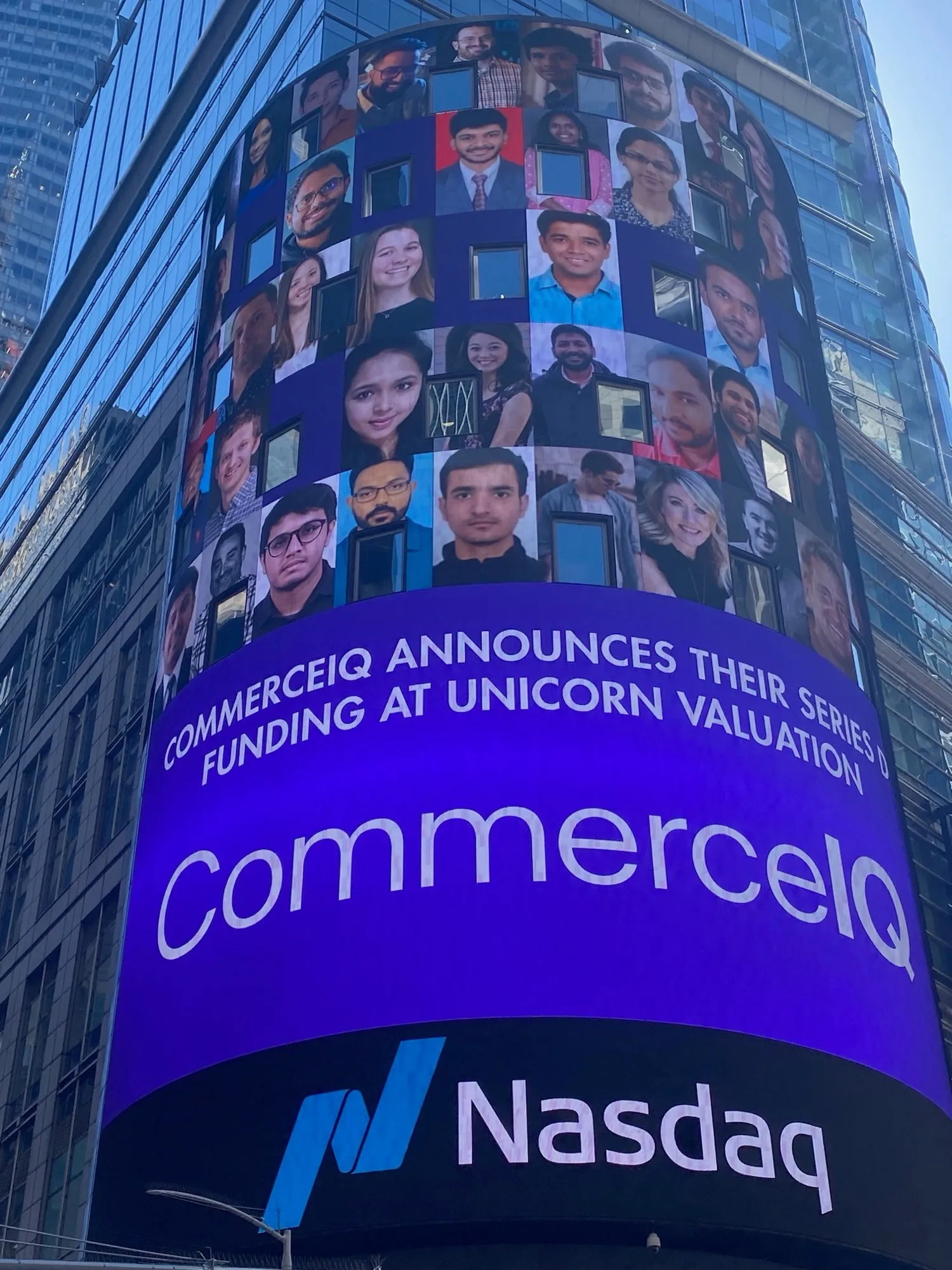
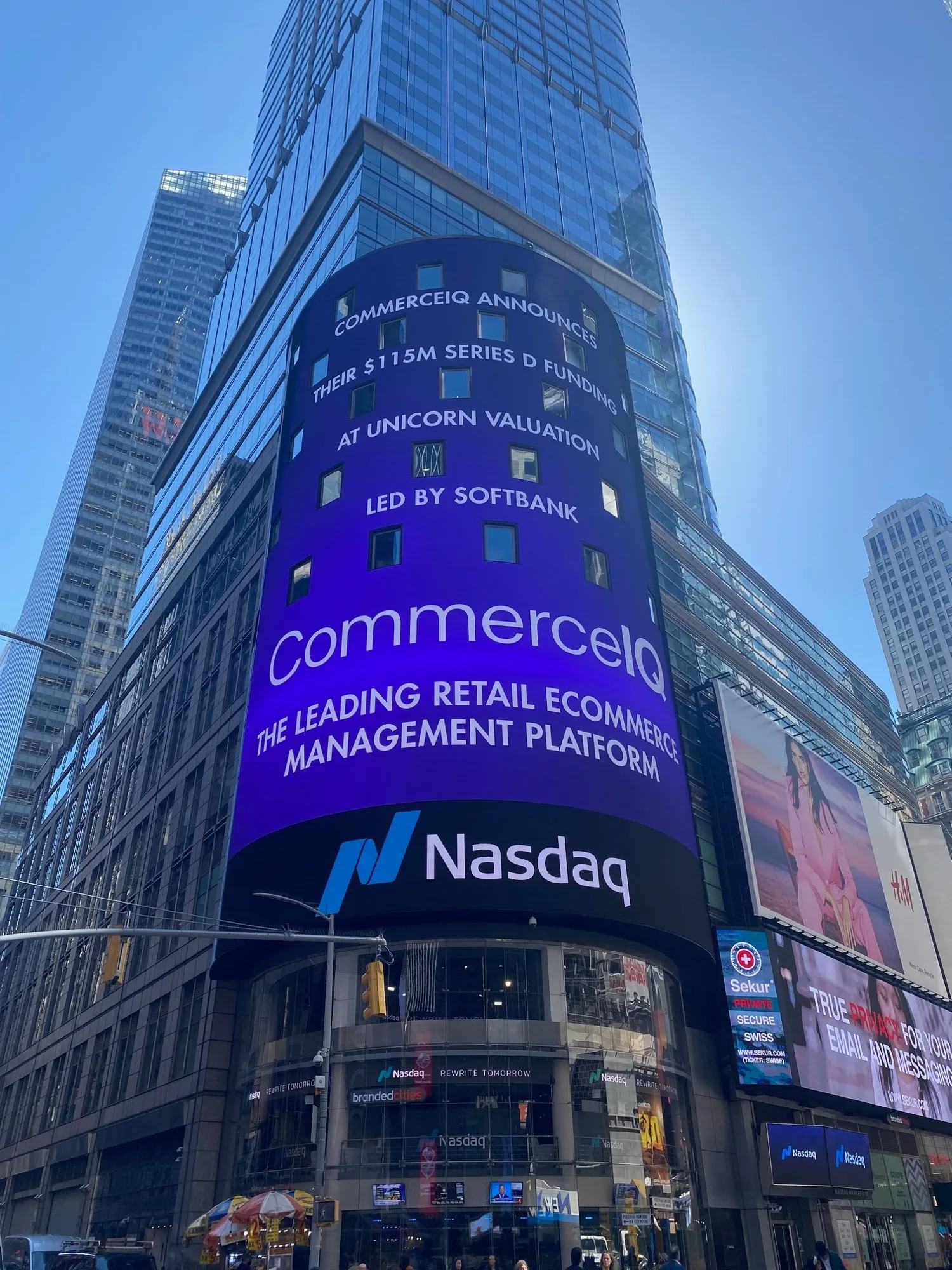
The business was scaling fast, global expansion, acquisitions, increasing complexity. We raised a new round at a unicorn valuation, and seeing my photo on the New York Stock Exchange building was one of the proudest moments of my journey.
Very soon, life took a dark turn. Quite literally. I was in a really bad car accident. Multiple fractures, facial surgery, weeks of recovery. My entire family was affected. My wife, despite being injured herself, held everything together. I’m deeply grateful for her strength.
Being stuck in bed was hard. I missed life. I missed work. I missed my team. I returned within a week of discharge.
It took time to ramp back up. I managed the team remotely, often off-camera. Meanwhile, the work only got more complex, product integrations, re-architecture, enterprise scale.
And yet, the team held strong. They stepped up. Not because of process but because of trust that already existed.
That experience reinforced something simple:
Build influence before you need it, by consistently delivering value.
We continued to grow the team. Dio joined as our first US-based senior designer. Bhavya joined in India. The diversity strengthened us. By mid-2022, the team had grown to seven and we were doing some of our best work.
After several failed attempts to hire a seasoned design leader, I stepped up. At the end of 2022, I was promoted to Director of Product Design.
Pressure and culture
Post-COVID, growth stalled. Pressure increased across the company. People were disengaged. Attrition increased. Even the most driven people on my team had concerns. And yet, something different happened. We stayed engaged. We stayed connected. We found ways to enjoy the work.
Krishna joined as a Senior Designer and brought strong in-person energy. Everyone had a lot to learn from him. His Figma skills were top notch.
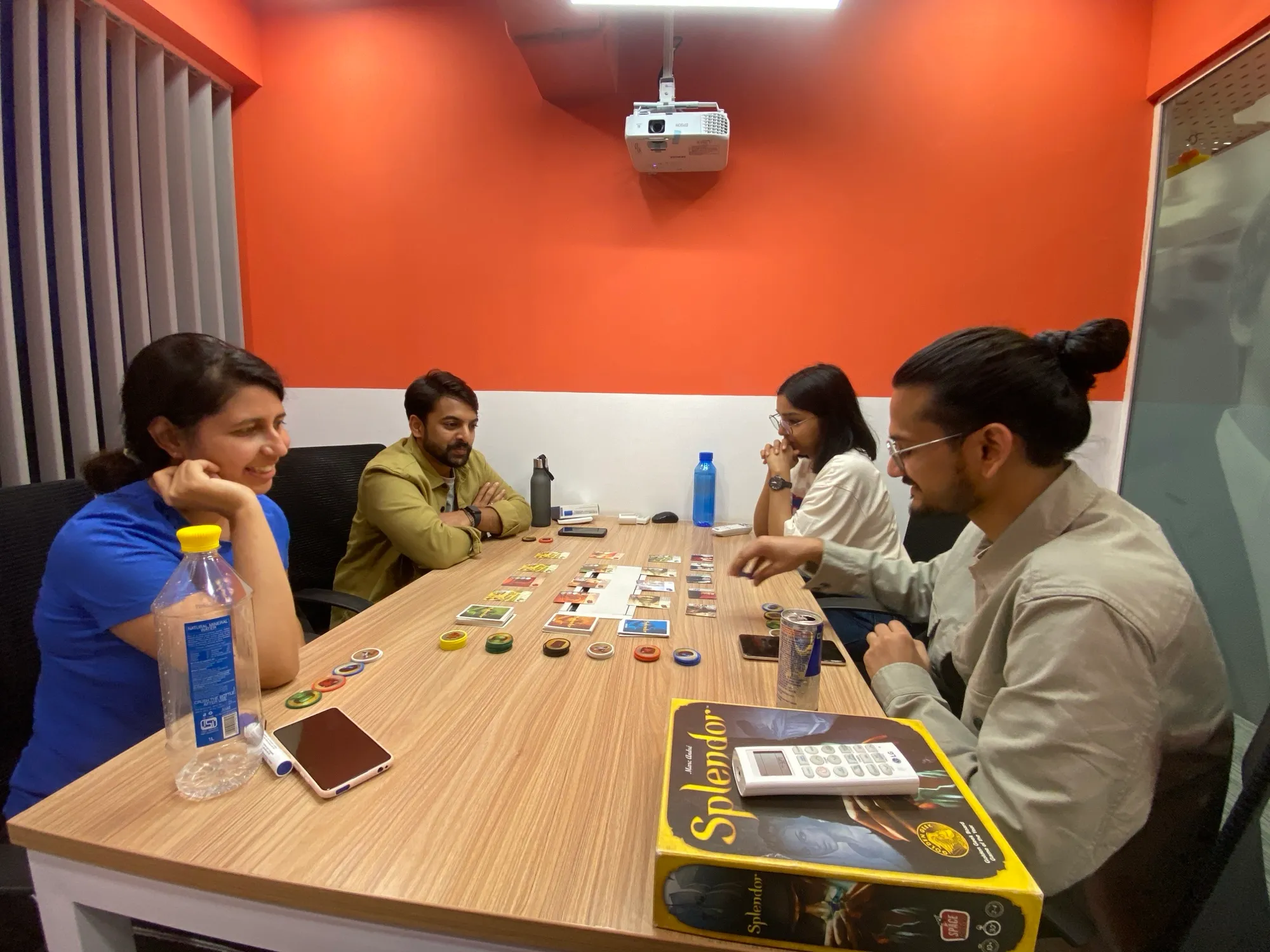
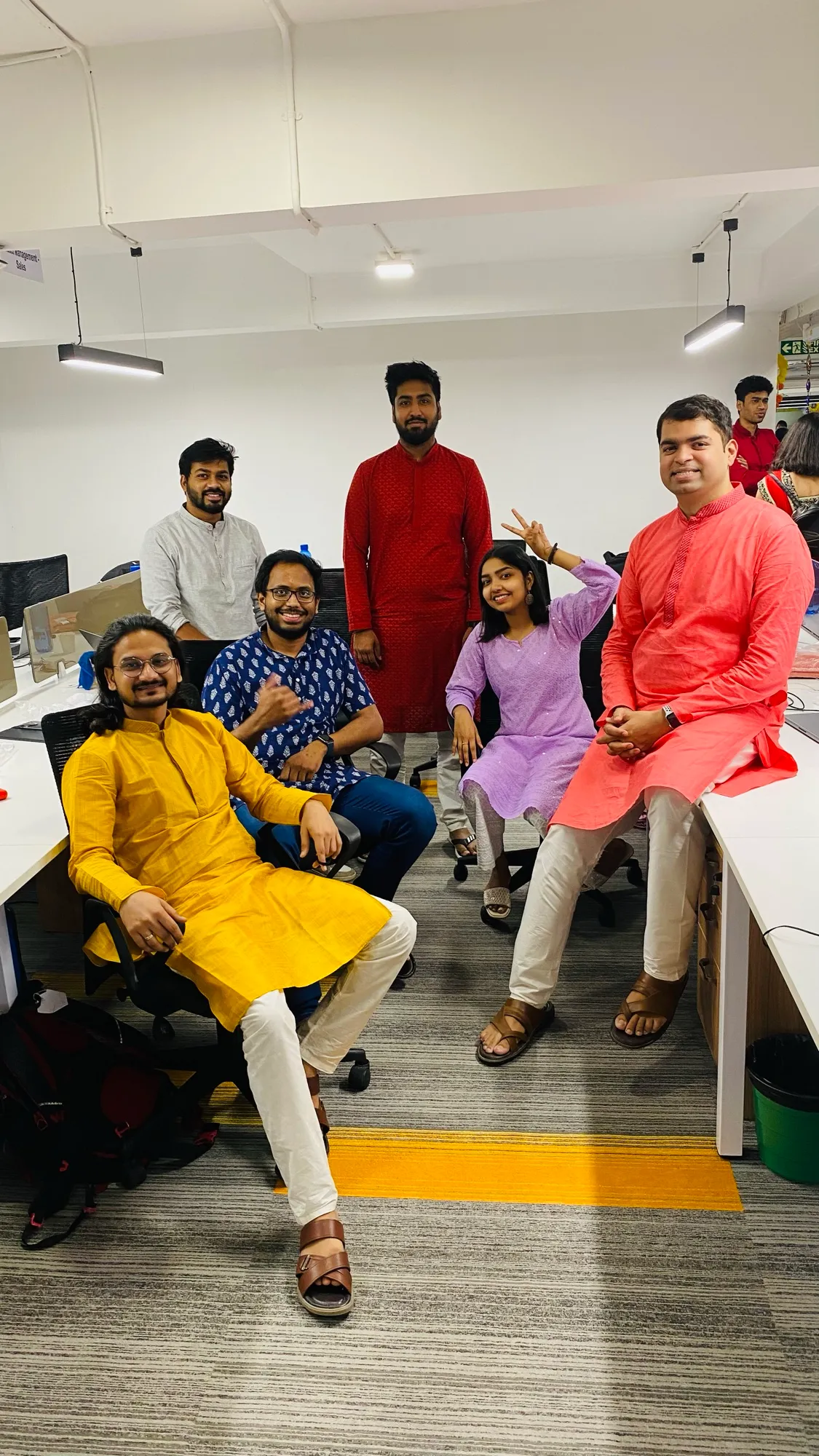
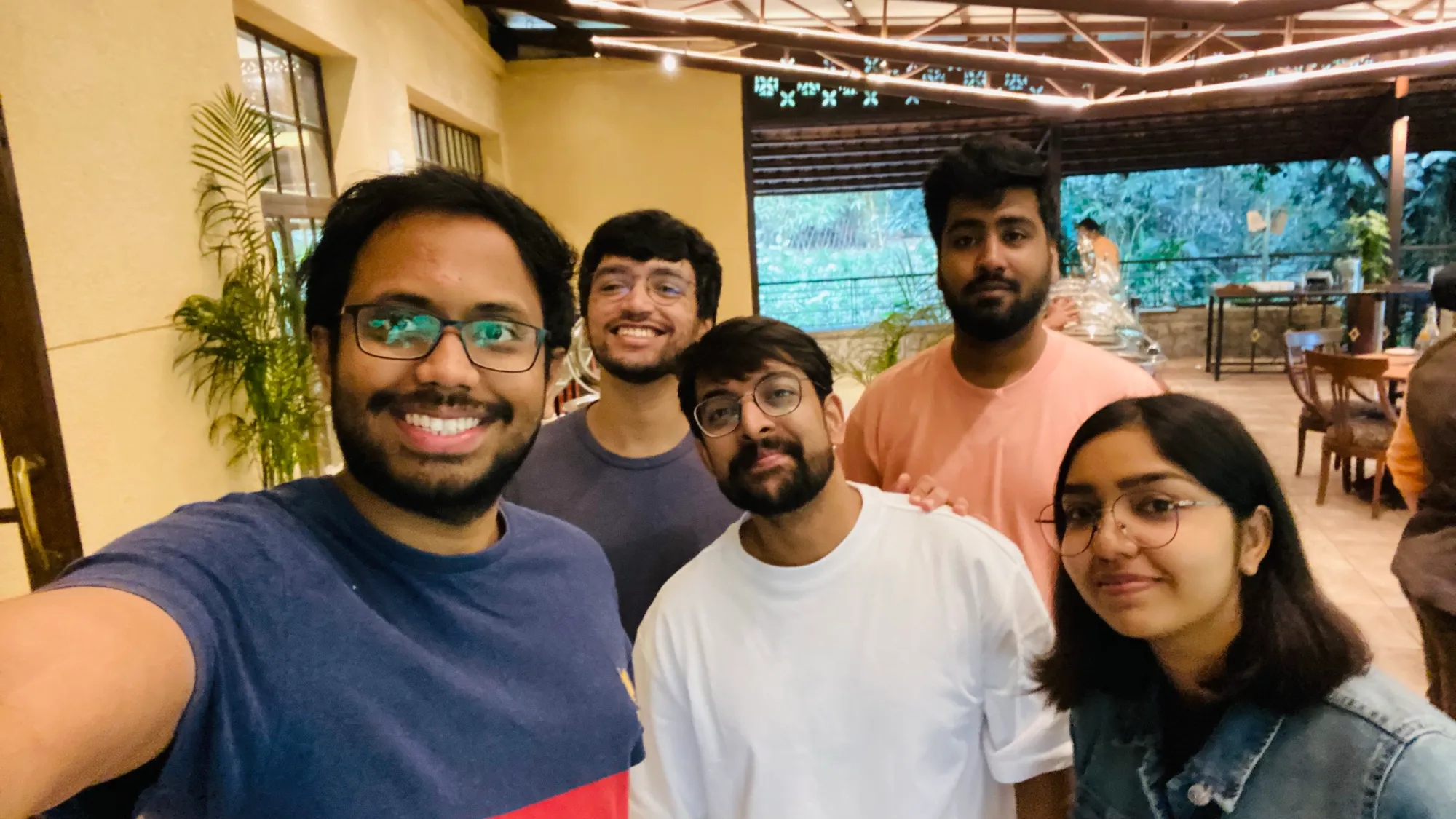
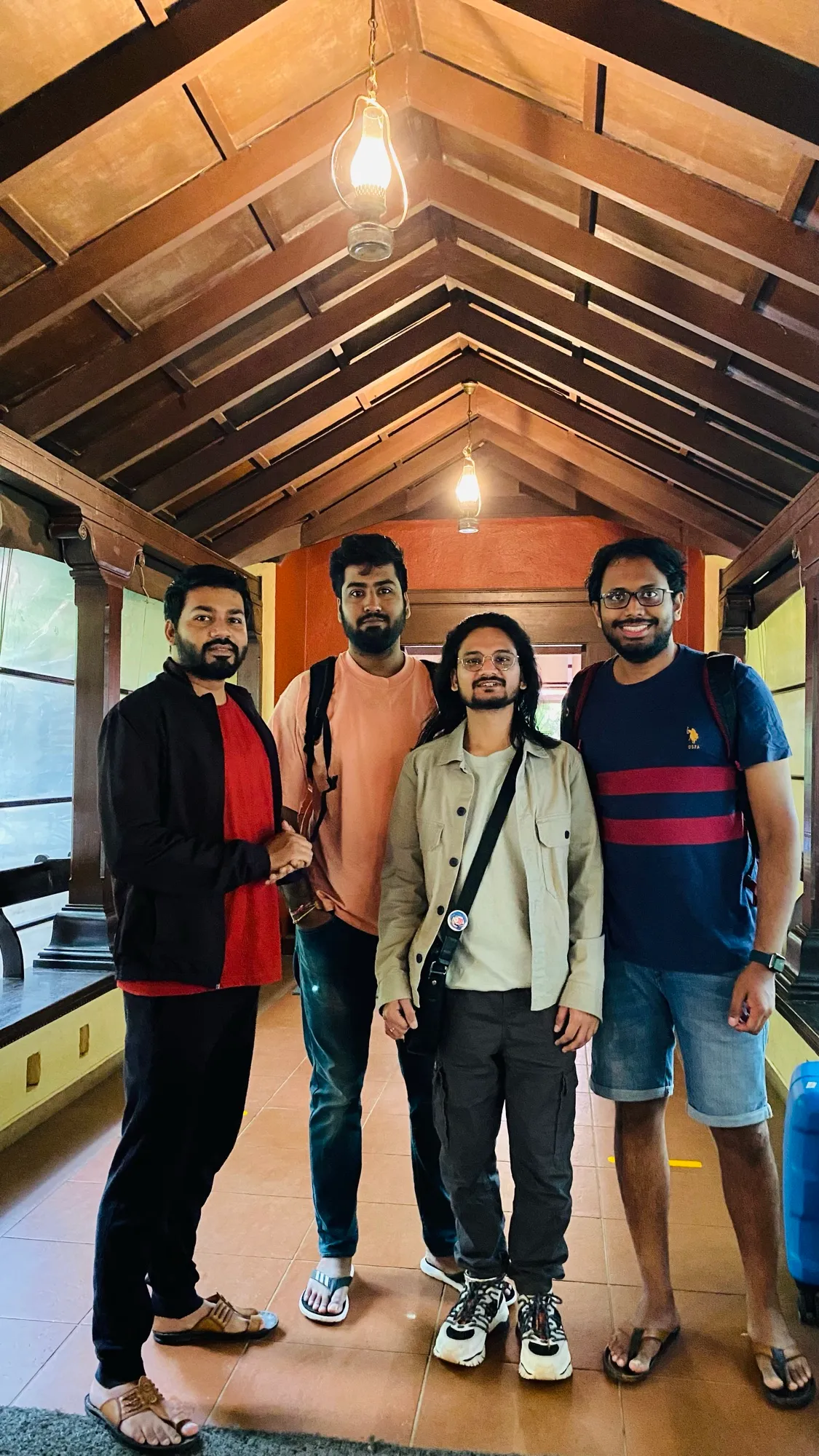
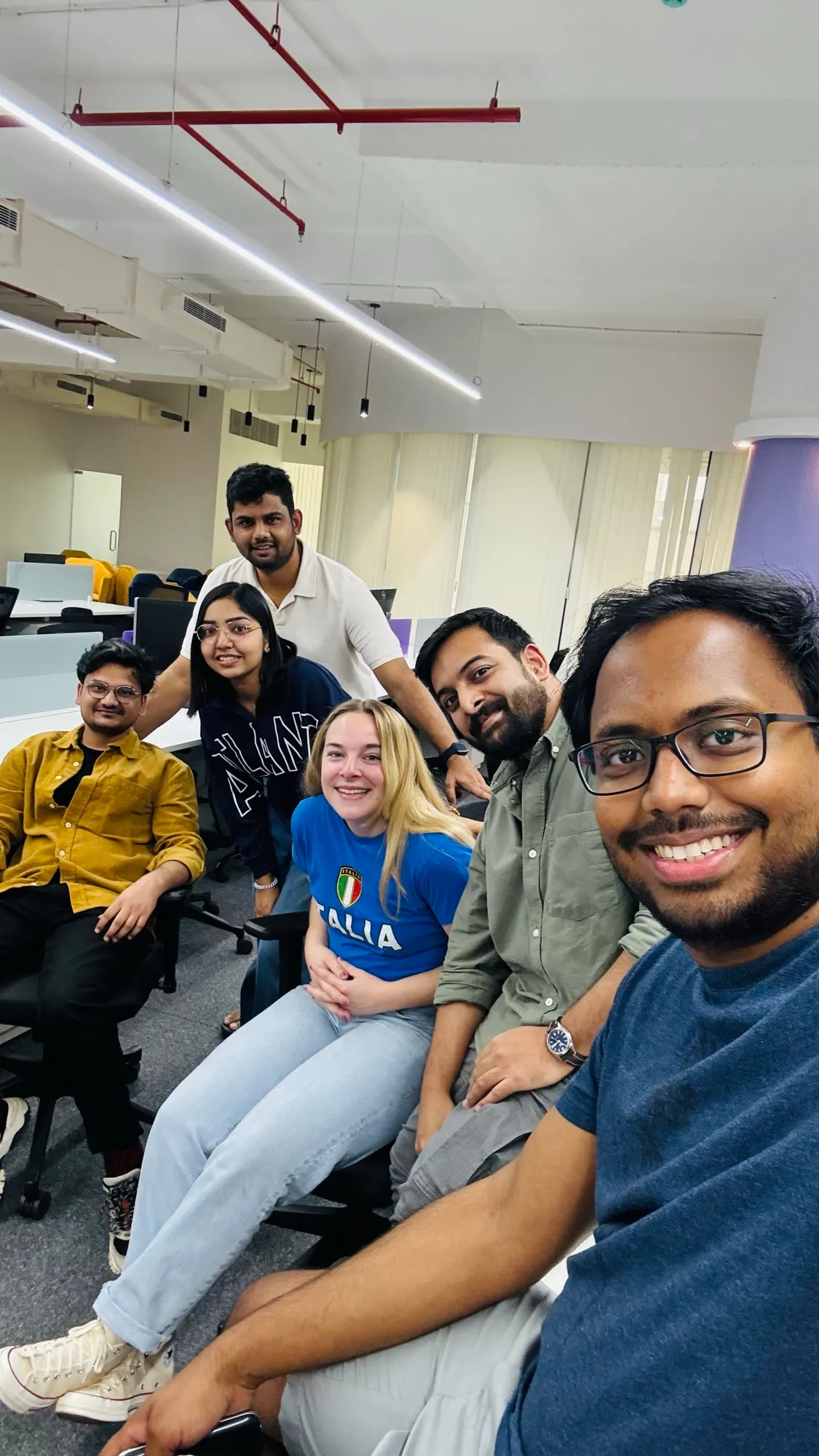
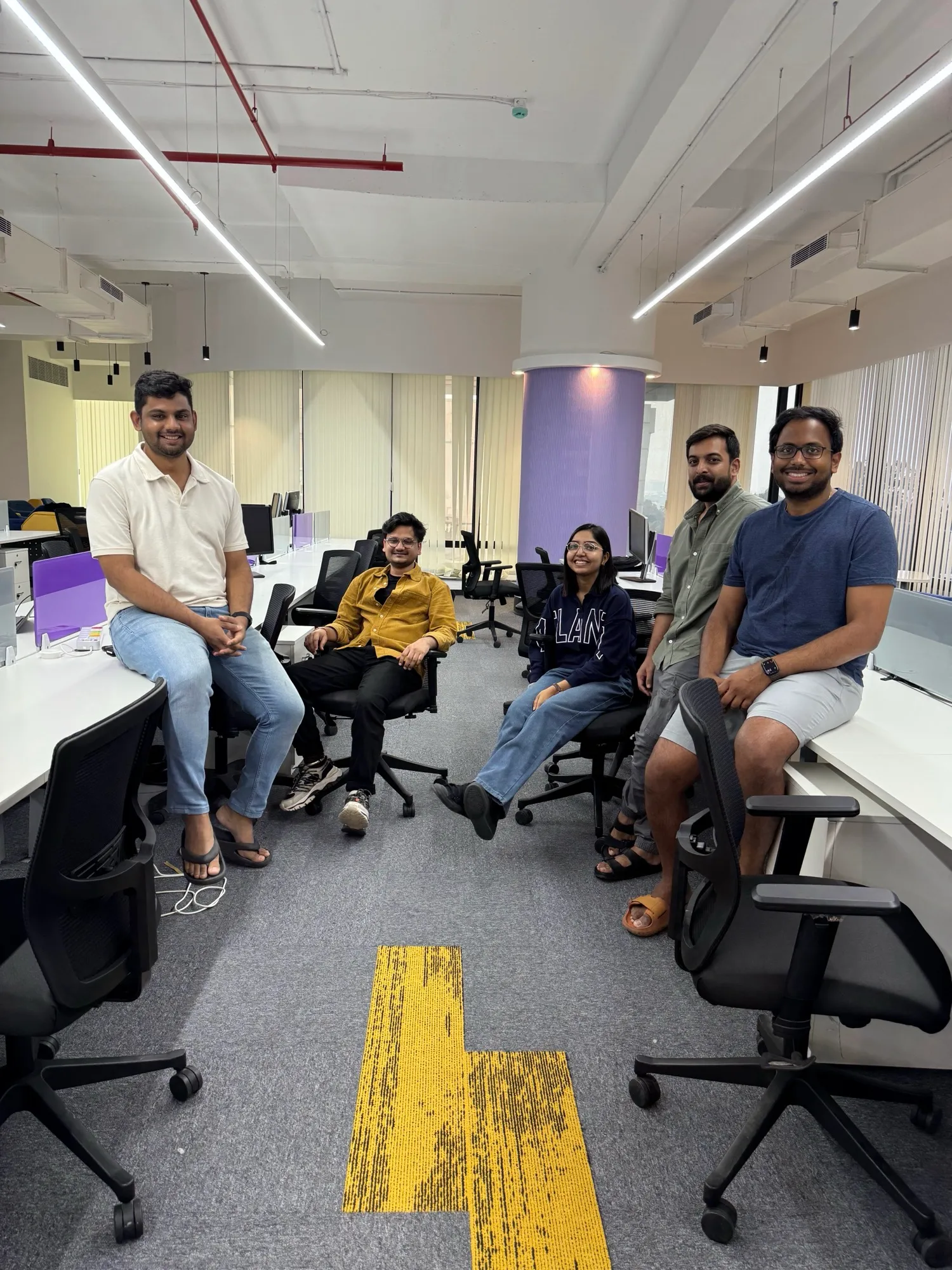
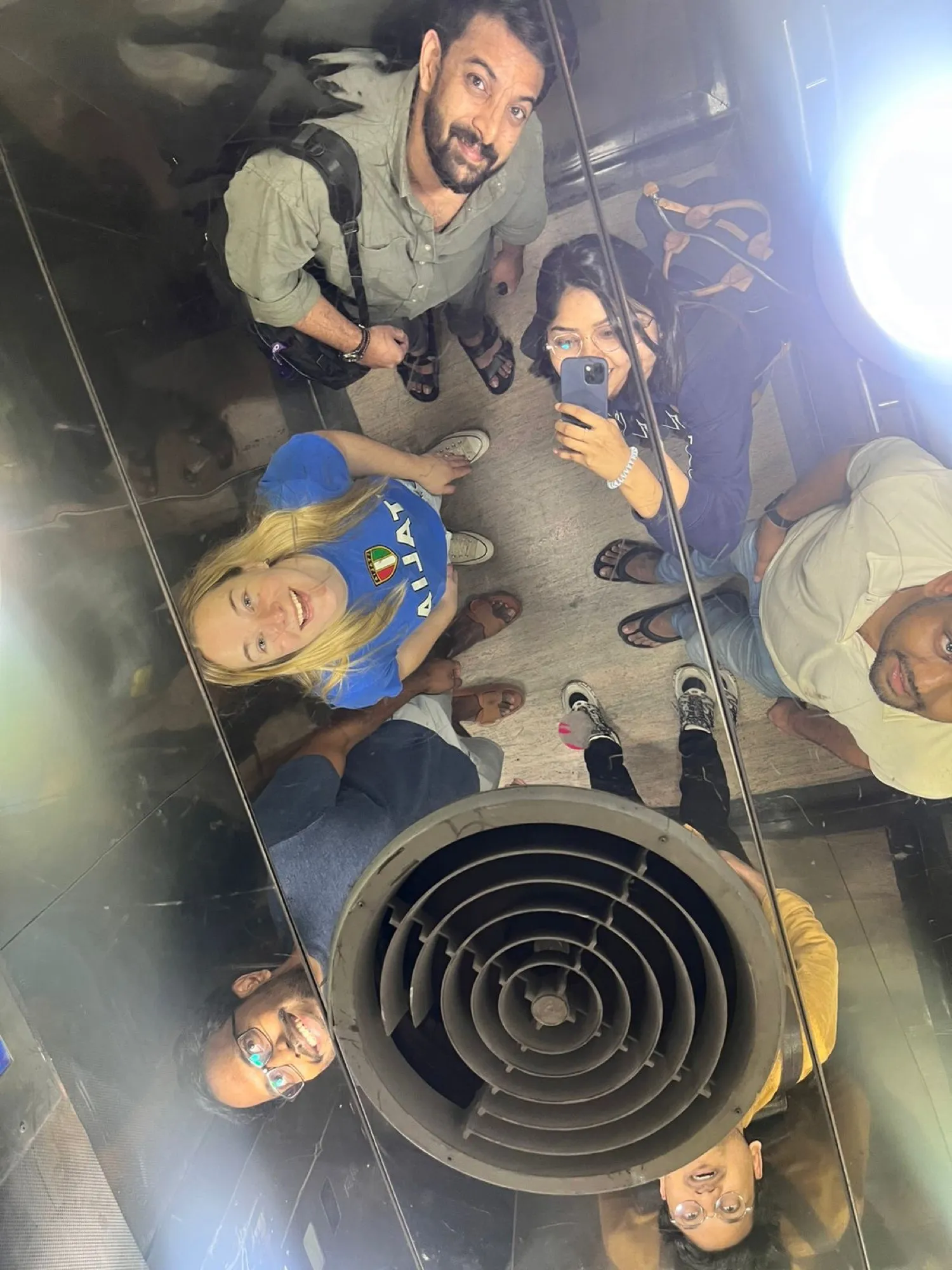
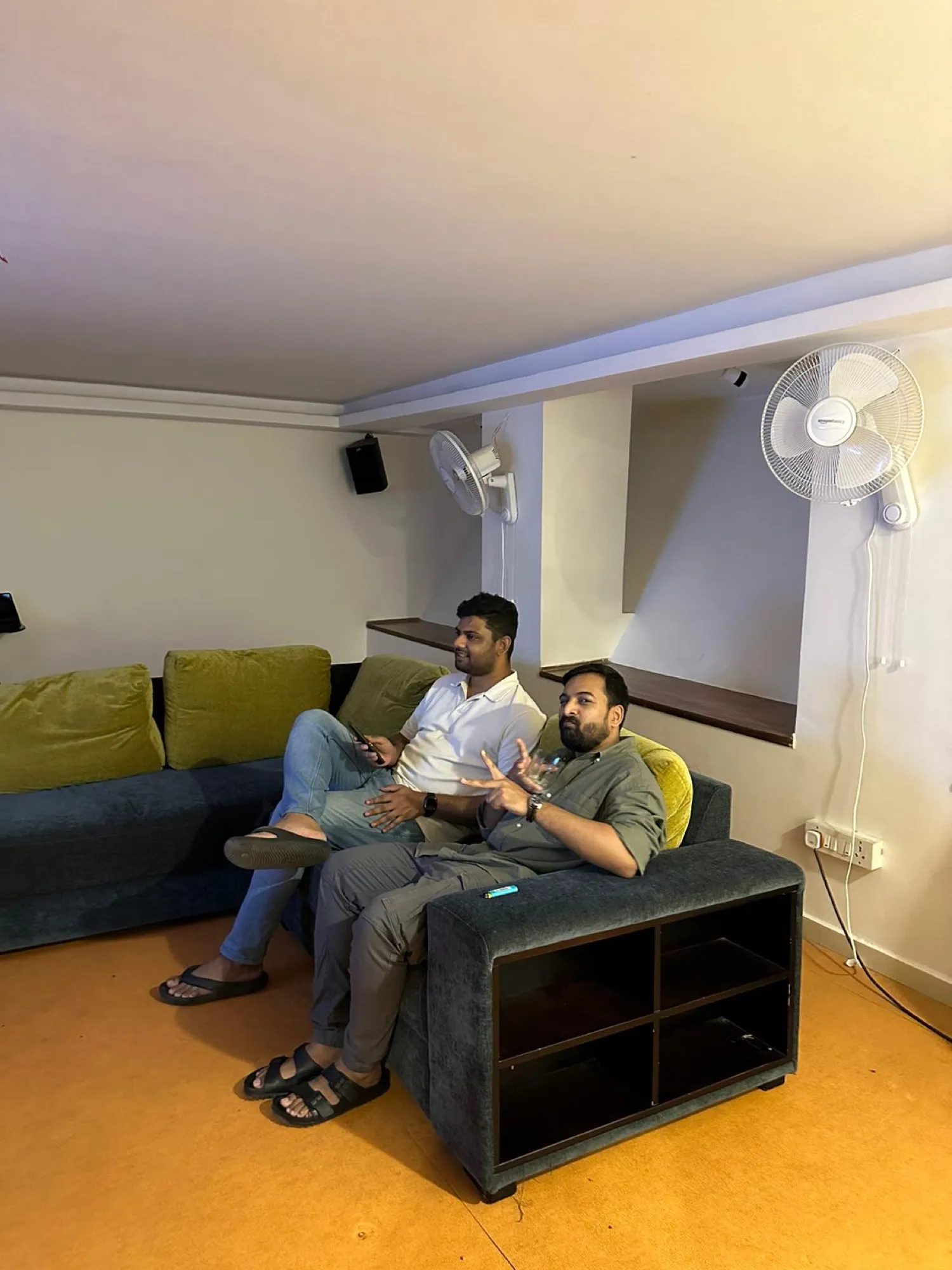
I traveled to India. The team spent time together working, pushing boundaries, and simply enjoying each other’s company.At one point, it felt like we were the only team happy and laughing out loud in the office.
This didn’t come from forced team-building. It came from transparency about what was hard, shared belief in the future, recognition of contributions, solving problems together and genuinely caring for each other.
I also learned something important: Culture alone doesn’t sustain performance. Underneath it, I built: clear expectations, defined ownership and consistent 1:1s.
Drive doesn’t survive on its own. Create conditions where it can thrive.
Letting go
The hardest phase. Flat growth. Changing priorities. Layoffs.
I had to let go of Dio. One of the toughest conversations I’ve had, made easier only by her grace.
At the same time, the team was struggling. Collaboration with other stakeholders got harder. Energy was low. The culture outside the team caught up to us. Within six months, three key designers left. Ayush, Bhavya and Kishen. I tried to retain them. But beneath the reasons they gave, it was clear that they weren’t aligned with where the business and company culture was headed.
In our 1:1s, I realized they had meaningful opportunities ahead. Holding them back would have been for me not for them. Letting them go, with pride in what they built, was difficult. Around the same time, I had to part ways with another hire who wasn’t aligned with the role. After honest conversations, it became clear it wasn’t right for either side.
That’s when something became clear:
Mentor the designer behind the designer. Their career matters more than your headcount.
2025 was also when AI became mainstream. We launched Labs to rebuild the product from the ground up. We had to rethink how we build. The team shrank and I didn’t have approvals for all the open headcounts. We operated lean.
I got much closer to the work again partnering with Krishna, VJ, and Aashi on core product needs, while shaping direction with the Labs team. Krishna and I explored new ways of building, experimenting with agentic coding even before engineering adopted it. We built working vision demos ourselves. It surprised people.
The company was under pressure but we found energy in building again. It became clear: we needed an AI-augmented design team, one that could move at AI speed while staying grounded in real user problems. We’re now operating at significantly higher efficiency, not because of tools alone, but because of the principles we’ve built over time.
Almost a decade later, as we rebuild the product and processes, it feels like 2017 again.
And the principle still holds:
Hold the bar high, even when the room doesn’t ask for it and lead with empathy.
Only now, the room is asking for it. And I’m not alone. We are a strong team of AI augmented super humans.
By the end of 2025, less than three years in, Krishna stepped into a Lead Product Designer role. For the first time, he began managing people (and agents). I could see that mix of innocence and excitement in him. It took me back to my first time. He’ll carve his own path, of course, but I’ll be there to guide him and light the way when needed.
Building from zero (again)
We are building AI agents for Sales, Media, and Shelf personas redefining how e-commerce is run. I still care about craft. More than ever, as I have direct control over the output.
What has changed is my understanding of leadership. The job isn’t to do the work or even just get it done.
It’s to build a system where good people can consistently do great work, under pressure, at scale, and over time.I’m most energized by building teams and systems that can navigate ambiguity, move fast without losing quality, and create meaningful impact at scale.
That’s the work I want to continue doing next.
Excited to forging new principles and evolving the ones I have.